Drexler Lab
Laboratory for Cancer-Induced Circuit Remodeling

Icahn (East) Building, Floor 10 Room 10-26
1425 Madison Ave
New York, NY 10029
Our Science.
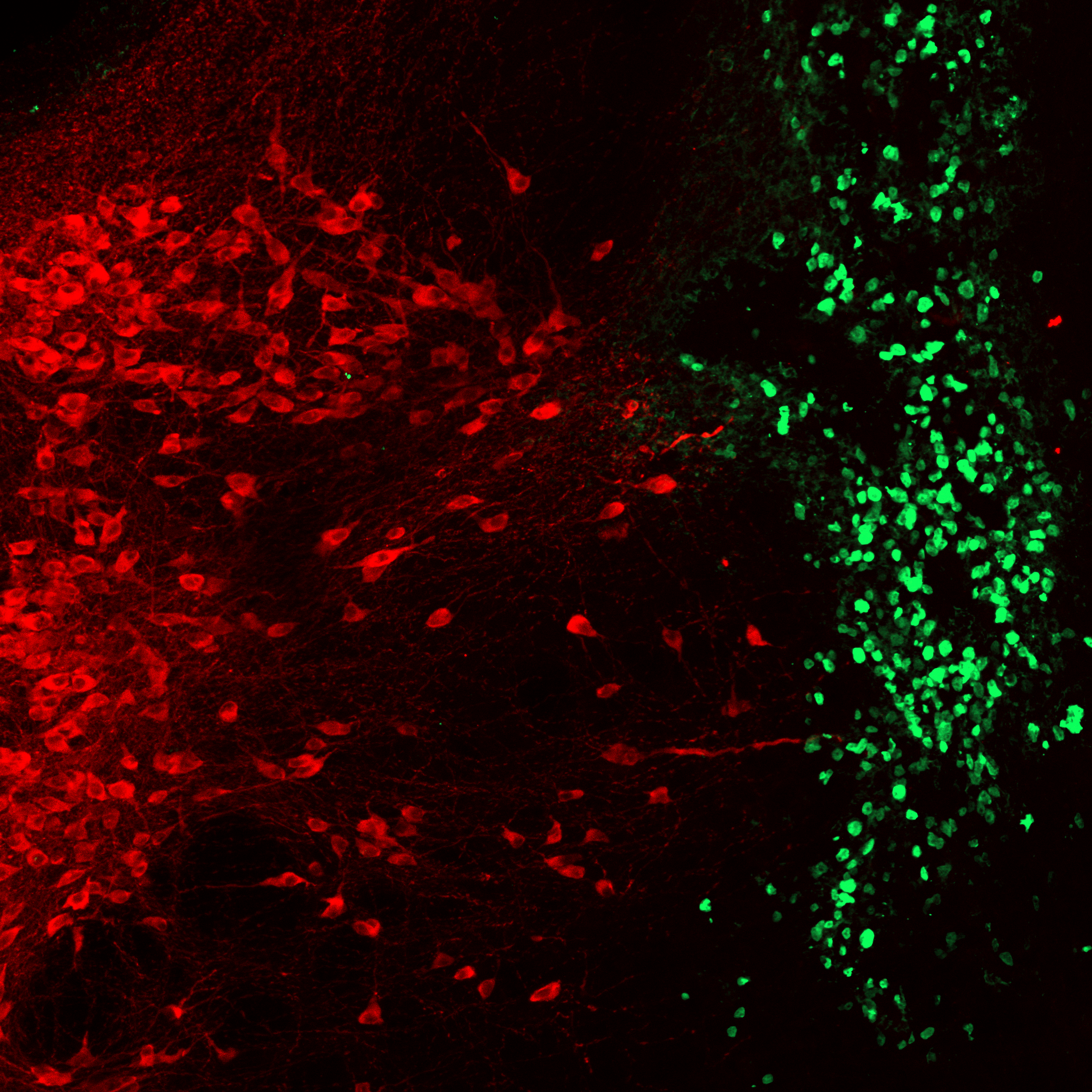
The Drexler Laboratory studies how neuronal activity drives brain cancer progression, and how diverse brain-resident cell types shape the electrically active networks which accelerate brain tumor growth. We aim to rewire the electrically active connections between tumor cells and neurons to slow brain cancer progression.
A major focus of the lab is to understand how brain cancer cells perturb brain-wide circuits and how this circuit-level disruption contributes to the behavioral and cognitive symptoms experienced by patients. Our work focuses on elucidating the mechanisms of long-range neuron-cancer signaling, with the goal of understanding how remodeling at the circuit level gives rise to symptoms beyond the tumor itself.
By dissecting these tumor-neuron circuits, we aim to identify therapeutic strategies that slow brain cancer by disrupting its dependence on neuronal activity.
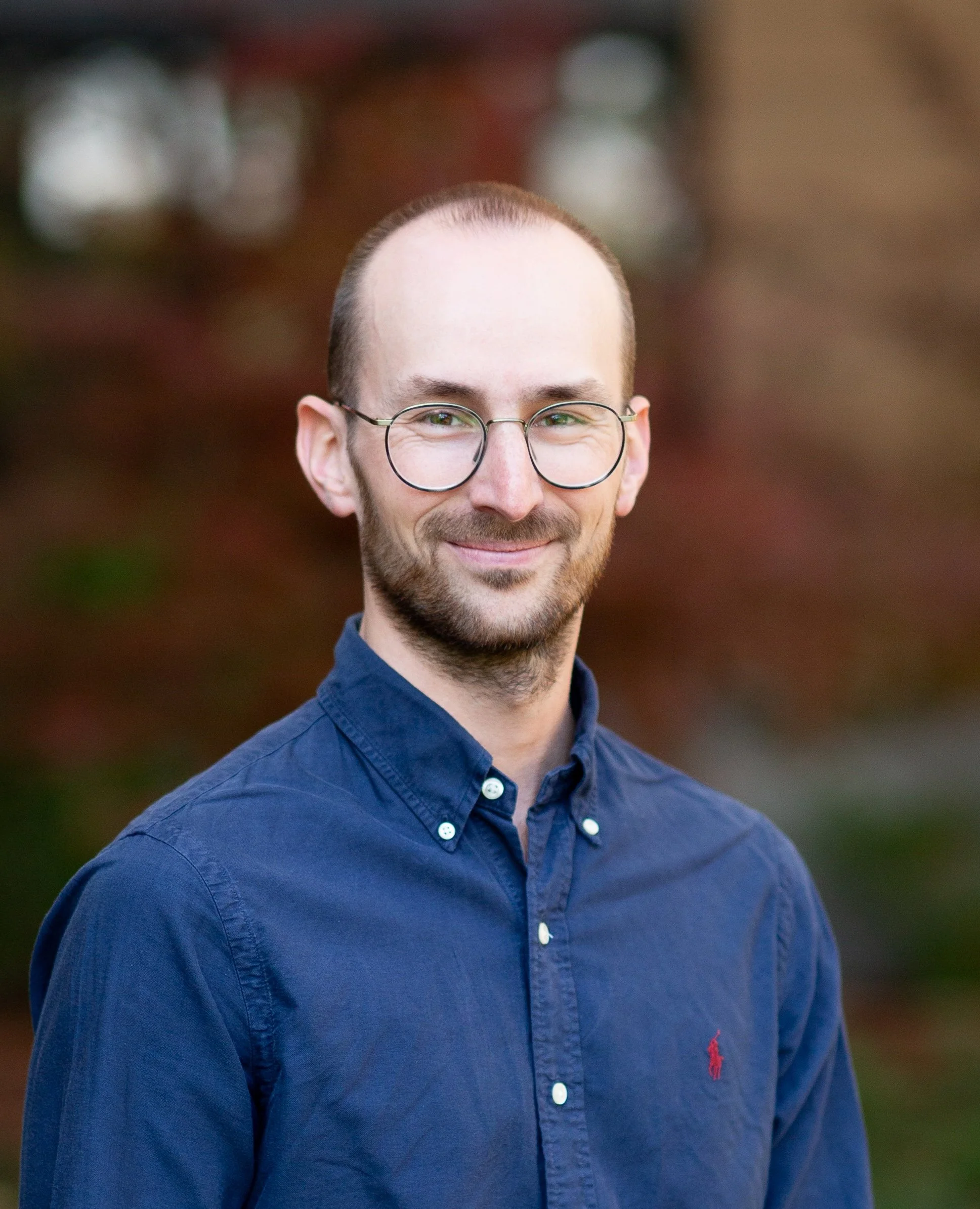
Richard Drexler, MD, PhD
Dr. Drexler is an Assistant Professor in the Nash Family Department of Neuroscience and the Friedman Brain Institute at the Icahn School of Medicine at Mount Sinai. He earned his medical degree from Semmelweis University Budapest (Hungary), with training at the University of Oxford (UK), and his doctoral degree from Hannover Medical School (Germany). Following neurosurgery residency in Hamburg (Germany), he pursued postdoctoral training in the laboratory of Dr. Michelle Monje at Stanford University, where he investigated the impact of long-range projections from hindbrain cholinergic and serotonergic neurons on glioma progression. He joined the faculty at the Icahn School of Medicine in 2026. Dr. Drexler is recognized for his contributions to understanding the mechanisms of long-range neuronal activity-dependent growth of primary brain tumors and the bidirectional signaling between brain tumor cells and neuronal circuits.